HEALTH
Health
health
The scientific reasons behind these nocturnal awakenings
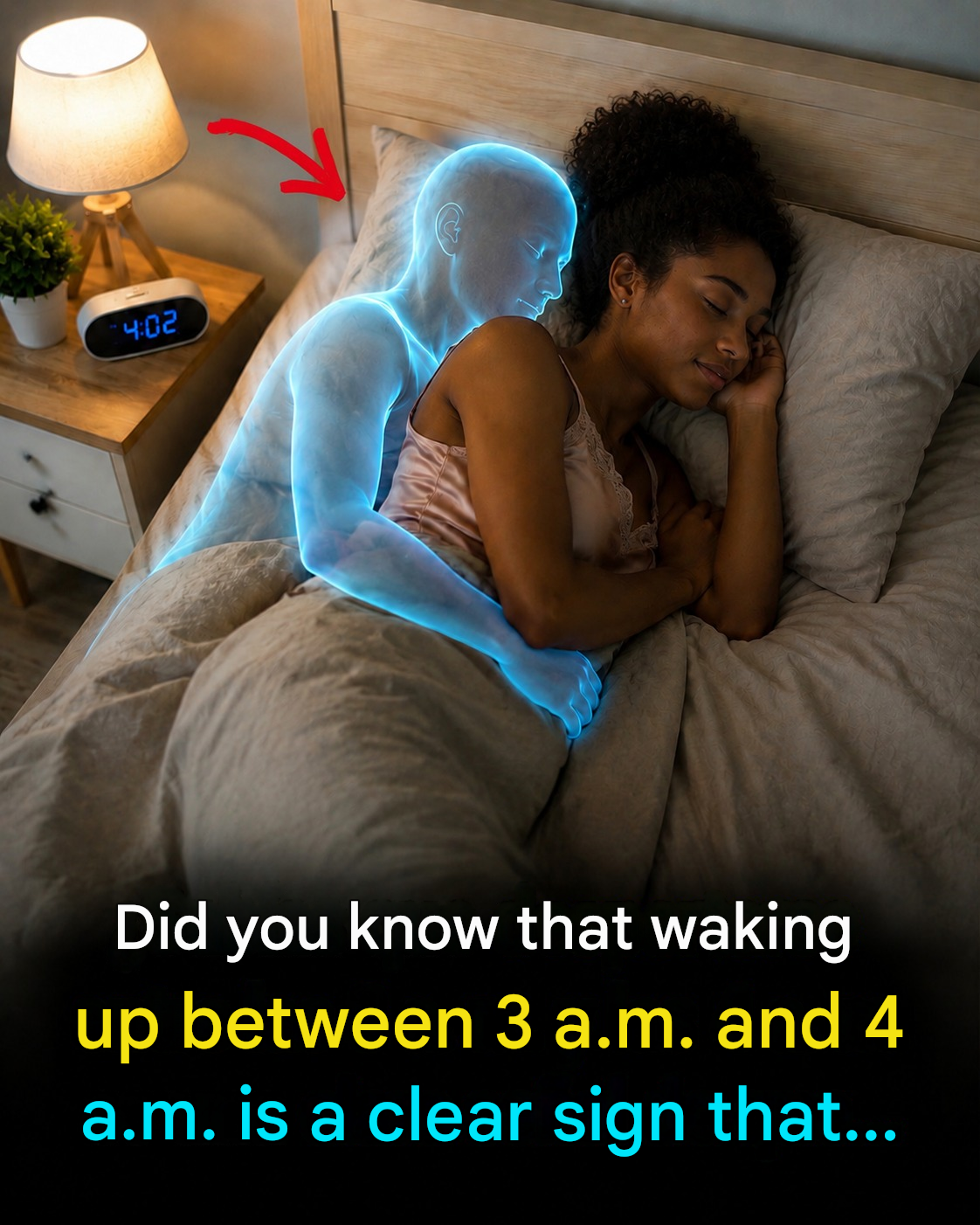
Your body has an internal clock called the circadian rhythm that regulates sleep and wakefulness. Between 3 and 5 a.m., the brain transitions to a lighter REM sleep phase, where it's easier to wake up. In addition, cortisol levels, the hormone that prepares your body for the day, begin to rise naturally around 3 a.m. Studies on sleep show that small imbalances in this clock, such as daily stress, delayed caffeine consumption, or using screens before bed, can transform a normal transition into a complete awakening.
But here's what's interesting... It's not always just biology. Often, your body is trying something deeper. If you ignore these awakenings, fatigue builds up and affects your overall health. The good news is that understanding why this happens gives you the power to change it.
See more