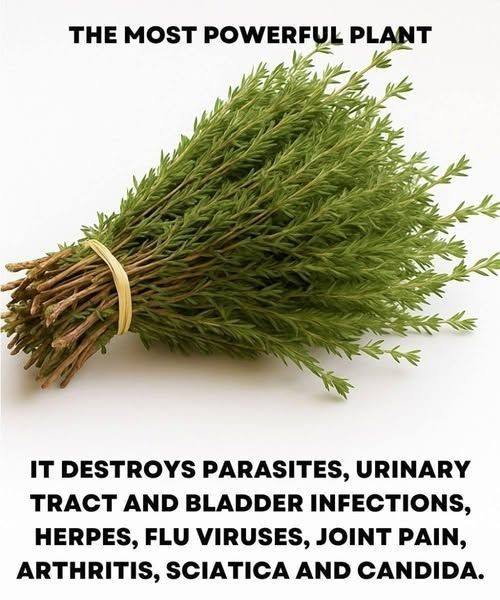
The secret to oregano oil’s effectiveness lies in its chemical composition. It is rich in two potent phenolic compounds: Carvacrol and Thymol.
Carvacrol: This is the star player. Studies have shown that carvacrol can disrupt the cell membranes of bacteria, fungi, and parasites, effectively stopping them in their tracks.
Thymol: Known for its antifungal and antiseptic properties, thymol works synergistically with carvacrol to boost the oil’s overall antimicrobial power.
Together, these compounds make oregano oil one of the most effective natural remedies for internal and external infections. It’s not just a folk remedy; it’s a biochemical powerhouse.
1. Fights Parasites Naturally
Intestinal parasites like Giardia, Blastocystis hominis, and pinworms are more common than you might think. They can cause unexplained fatigue, bloating, digestive distress, and nutrient malabsorption.
How It Works: Oregano oil has demonstrated significant antiparasitic activity. Research suggests that the carvacrol in oregano oil can penetrate the protective layers of parasites, disrupting their cellular integrity and leading to their elimination from the gut.
How to Use:
How to Use:
Internal Use: A few drops of high-quality oregano oil diluted in a carrier oil (like olive oil) or water, taken for 7–10 days, may help combat parasites.
Note: Always consult a natural health practitioner or doctor before starting a parasite cleanse, especially if you have underlying health conditions.
2. Clears Urinary Tract and Bladder Infections (UTIs)
UTIs and bladder infections are often caused by bacteria like E. coli. While antibiotics are the standard treatment, resistance is becoming a growing concern. Oregano oil offers a natural alternative.
How It Works: Oregano oil is a broad-spectrum antibacterial agent. Studies have shown it can inhibit the growth of E. coli and other bacteria responsible for UTIs. It works by penetrating the bacterial cell walls and stopping their replication.
How to Use:
The most powerful plant that destroys parasites, urinary tract and bladder infections, herpes and flu viruses.. See more in 1st comment